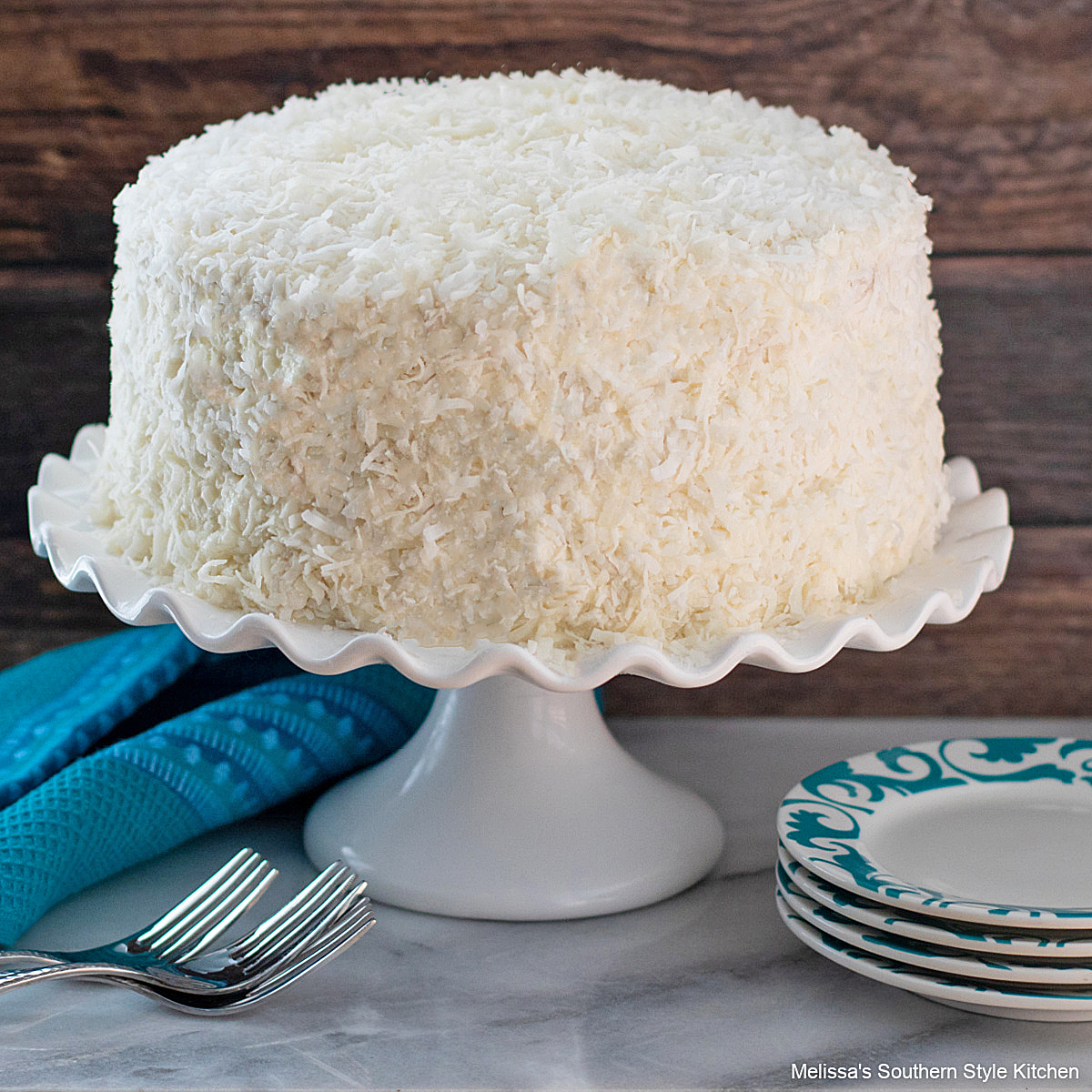
The aroma of a freshly baked cake, especially one as inviting as a homemade coconut layer cake, has a unique power to transport us. For many, this iconic dessert conjures images of cherished family gatherings, holiday tables laden with treats, and moments of pure, sweet joy. Yet, for all its celebratory appeal, perfecting a truly showstopping coconut layer cake – one that is gloriously fluffy, impeccably moist, and bursting with just the right amount of coconut flavor – can often feel like a culinary quest. The heartbreak of a dry, crumbly cake is a common lament among bakers aiming for that elusive bakery-style perfection.
This article embarks on a journey to demystify the art of baking an extraordinary coconut layer cake. Drawing inspiration from time-honored family recipes and rigorous recipe testing, we’ll uncover the essential techniques and nuanced steps that transform simple ingredients into a dessert masterpiece. Forget dry disappointments; prepare to master a cake that is destined to become a beloved tradition in your own home, leaving everyone asking, "You made that?!"
The Enduring Legacy of a Cherished Coconut Layer Cake
Every truly great recipe often carries a story, a memory woven into its very fabric. For many, the ultimate coconut layer cake is intrinsically linked to family traditions, much like the one perfected by an beloved Auntie who made it the star of every Christmas dessert table. This wasn't just any cake; it was a beacon of the holidays, a dessert more cherished than any other. Such recipes, passed down and refined, become culinary heirlooms, inspiring new generations of bakers.
The essence of these treasured cakes lies in their thoughtful balance. Imagine a moist, tender yellow cake, subtly infused with shredded coconut, layered with a rich, yet not overly sweet, coconut buttercream made with real coconut milk. This delicate equilibrium ensures that the cake offers true coconut essence without being cloying or overwhelming. The path to such perfection often involves meticulous dedication, sometimes requiring multiple iterations – a cake that's initially too dry, then too moist, until finally, it's just right, achieving that harmonious blend of texture and flavor that defines a legendary dessert.
While often associated with winter holidays or Auntie's cherished coconut cake, the appeal of a beautifully crafted coconut layer cake transcends seasons. Its bright, comforting flavor profile makes it a perfect addition to an Easter brunch, a festive birthday celebration, or even a simple year-round indulgence. It's truly a versatile showstopper, ready to grace any table and captivate any audience.
Unlocking the Secrets to a Fluffy, Moist Masterpiece
Achieving a fluffy and moist coconut layer cake requires attention to detail at every stage, from preparation to baking technique. These fundamental principles are what elevate a good cake to a great one.
Mastering Mise en Place: The Foundation of Baking Success
In the culinary world, "mise en place" – French for "everything in its place" – is not just a fancy term; it's a golden rule, especially in baking. Before you even think about mixing, measure out all your ingredients. This practice isn't merely about organization; it allows you to focus purely on technique once you begin mixing, minimizing errors and ensuring a smoother, more enjoyable baking process. Measure your flour precisely, and immediately incorporate your "baking trinity" – salt, baking soda, and baking powder – directly into it, as listed in most well-structured recipes.
Perhaps the most critical pre-baking step is ensuring your ingredients are at room temperature. Butter, eggs, and milk should sit out for at least 30 minutes, ideally an hour, before you begin. Why is this so vital? Room temperature ingredients emulsify better, creating a smooth, uniform batter. Cold ingredients can cause the batter to seize, leading to a lumpy texture and a less tender crumb. The butter will cream with the sugar more effectively, incorporating more air, which contributes directly to that desirable fluffy texture.
The Art of Baking Temperature and Pan Preparation
- Lower Baking Temperature: One counter-intuitive trick to prevent a dry cake is to bake it at a slightly lower temperature than many recipes might suggest – around 325°F (160°C). This gentler heat allows the cake to rise gradually and evenly without drying out the edges before the center is cooked. For 8-inch cakes, expect a bake time of 35-37 minutes. If using 9-inch rounds, start checking for doneness around the 28-minute mark.
- Impeccable Pan Preparation: There's nothing more frustrating than a cake sticking to the pan. To guarantee a flawless release, always prepare your cake pans by cutting rounds of parchment paper to fit the bottom, then lightly spraying the pans with cooking spray. The parchment paper acts as an insurance policy, ensuring your beautiful layers emerge intact and ready for stacking.
Mixing Techniques for a Tender Crumb
The way you combine your ingredients significantly impacts the final texture of your coconut layer cake. These steps are crucial for achieving that light, airy, and moist crumb:
- Creaming Butter and Sugar: In a stand mixer or with an electric hand mixer, cream the room temperature butter and sugar together until the mixture is light, pale, and fluffy. This process is essential for incorporating air into the batter, which contributes to the cake's tenderness and rise.
- The Secret to Moisture: Vegetable Oil: After creaming, mix in a good quality vegetable oil. This addition is a game-changer for moisture, helping to keep the cake incredibly tender and preventing it from drying out over time.
- Adding Eggs Gradually: Introduce egg yolks one at a time, ensuring each is fully incorporated into the butter-sugar mixture before adding the next. This prevents the batter from separating and helps create a smooth, homogenous base. Finish with a quality vanilla extract for depth of flavor.
- Combining Dry Ingredients: While some recipes advocate for sifting flour, it's often an optional step unless dealing with particularly lumpy flour or a delicate European-style cake. For most home baking, simply whisking the flour, baking powder, baking soda, and salt together in a separate bowl is sufficient to combine them and remove any small lumps. This ensures even distribution of the leavening agents.
For more detailed step-by-step guidance on baking techniques to avoid dry layers, be sure to check out our comprehensive guide: Bake a Perfect Moist & Fluffy Coconut Layer Cake: No Dry Layers.
Crafting the Iconic Coconut Buttercream and Finishing Touches
A truly showstopping coconut layer cake isn't just about the cake layers themselves; the frosting plays an equally vital role in its flavor, texture, and visual appeal. This is where the "snowstorm of coconut" comes to life.
The Perfect Coconut Buttercream
The ideal coconut buttercream should be light, luscious, and carry a distinct, natural coconut flavor without being overpoweringly sweet. The secret lies in using coconut milk (full-fat canned coconut milk works best) as a key ingredient, rather than relying solely on artificial extracts. This infuses the frosting with genuine coconut richness, creating a wonderfully smooth and creamy texture that perfectly complements the moist cake layers. Beat your butter until pale and fluffy, then gradually incorporate powdered sugar and coconut milk until you reach your desired consistency – smooth, spreadable, and utterly delectable.
Assembling Your Showpiece
Once your cake layers are cooled and your buttercream is ready, it's time for assembly. Ensure your cake layers are completely cool to prevent the frosting from melting. Use an offset spatula to spread an even layer of buttercream between each cake layer, creating a sturdy and visually appealing stack. Then, meticulously frost the sides and top of the cake, aiming for a smooth, clean finish that acts as the perfect canvas for your final flourish.
The crowning glory of any Auntie's cherished coconut cake is the generous coating of shredded coconut. Whether you prefer sweetened or unsweetened, fine or medium shred, pressing it gently onto the frosted sides and top creates that iconic "snowstorm" effect. For an extra layer of flavor and texture, consider lightly toasting some of the shredded coconut before applying it – it adds a delightful nutty aroma and a beautiful golden hue.
Beyond the Holiday Table: Versatility of the Coconut Layer Cake
While often associated with festive occasions like Christmas or Easter, the beauty of a perfectly executed coconut layer cake lies in its versatility. It's far too delicious to relegate to just a few times a year! Imagine it as the centerpiece of a summer barbecue dessert spread, its tropical notes a welcome contrast to grilled fare. It's an unforgettable birthday cake, a sophisticated offering for a bridal shower, or simply a luxurious treat to brighten an ordinary weekend. Its comforting yet exotic flavor profile makes it a year-round delight, always ready to transform any gathering into a special occasion.
This is a cake that commands attention, not just with its stunning appearance but with its unforgettable taste. Once you've mastered these techniques, you'll be able to create a consistently moist, fluffy, and flavor-packed coconut layer cake that truly lives up to its showstopping potential, bringing smiles and sweet memories to everyone who gets a slice.
In conclusion, baking a truly exceptional coconut layer cake is a journey that combines precise technique with a dash of culinary passion. By understanding the importance of room temperature ingredients, embracing the gentle heat of a lower oven, mastering specific mixing methods, and crafting a luscious coconut buttercream, you transform a simple recipe into a profound culinary experience. This isn't just a dessert; it's a celebration of flavor, texture, and the joy of sharing something truly special. So, gather your ingredients, follow these insights, and prepare to unveil a fluffy, moist, and utterly showstopping coconut layer cake that will be cherished for years to come.
